

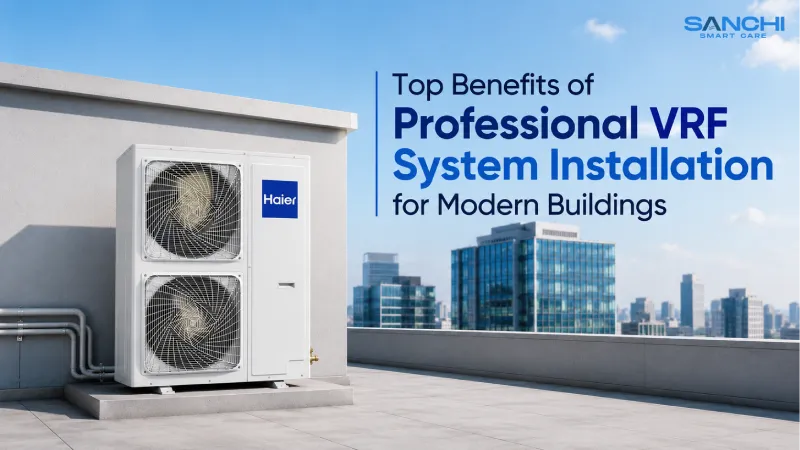
Understanding VRF Technology
Key Takeaways
- Professional VRF System Installation enhances energy efficiency by adjusting cooling capacity to meet actual demand.
- Choosing the Best VRF System Installation ensures superior individual temperature control for different areas of a building.
- VRF systems support flexible building designs, accommodating various indoor unit styles and reducing space requirements.
- A correctly installed VRF system delivers quiet operation, ideal for environments where comfort and concentration are vital.
- Investing in VRF technology offers long-term value, adapting seamlessly to changing occupancy needs and building layouts.
Modern buildings demand intelligent climate control systems that provide exceptional comfort, operational flexibility, and long-term value. Whether it is a corporate office, hotel, hospital, educational institution, retail outlet, or luxury residence, maintaining the right indoor temperature contributes significantly to occupant comfort and productivity. This is why many property owners are investing in VRF System Installation to meet the growing expectations of energy-conscious and technologically advanced buildings.
Variable Refrigerant Flow (VRF) technology has transformed the HVAC industry by providing customized cooling and heating solutions for multiple zones within a single building. Unlike conventional air conditioning systems, VRF systems automatically regulate refrigerant flow according to the cooling or heating demand of each indoor unit. This allows different rooms to operate at different temperatures without compromising overall system performance.
Sanchi Smart Care provides advanced HVAC solutions for commercial and residential projects by delivering professional installation services designed to suit various building requirements. Choosing the Best VRF System Installation helps maximize system performance while creating comfortable indoor environments throughout the year.
A VRF system consists of one or more outdoor units connected to multiple indoor units through refrigerant piping. Each indoor unit functions independently, allowing occupants to control temperatures according to their preferences. The outdoor unit continuously adjusts refrigerant flow based on the demand from each indoor unit, making the system highly adaptable.
This intelligent operation makes VRF technology suitable for buildings with varying occupancy levels and multiple rooms requiring different temperature settings. Professional VRF System Installation also supports flexible building designs because indoor units are available in various styles, including wall-mounted, cassette, concealed ducted, and ceiling-suspended models.
Why Professional Installation Matters
Installing a VRF system requires careful planning, technical knowledge, and accurate calculations. Every building has unique architectural features, occupancy patterns, and cooling requirements. A professionally planned installation helps the system operate efficiently from the beginning.
Some of the important aspects of installation include:
Proper Load Assessment
Every room has different cooling and heating requirements depending on its size, occupancy, equipment, and exposure to sunlight. Performing an accurate load assessment helps determine the appropriate system capacity.
Indoor Unit Placement
Correct positioning of indoor units allows balanced air distribution throughout the room while complementing the building's interior design.
Refrigerant Piping Design
The refrigerant piping network plays a major role in system performance. Proper routing and installation contribute to smooth refrigerant circulation between indoor and outdoor units.
Outdoor Unit Location
Selecting a suitable location for outdoor units improves ventilation, simplifies maintenance, and supports efficient operation.
Choosing the Best VRF System Installation from experienced professionals contributes to reliable performance throughout the life of the system.
Major Benefits of VRF System Installation
Superior Energy Efficiency
One of the primary reasons property owners select VRF systems is their ability to adjust cooling capacity according to actual demand. Instead of operating continuously at full capacity, the system automatically varies refrigerant flow to match the requirements of different zones.
This intelligent operation minimizes unnecessary energy consumption while maintaining comfortable indoor conditions.
Individual Temperature Control
Different occupants often prefer different temperature settings. VRF technology allows each indoor unit to operate independently, giving users greater control over their environment.
This feature is particularly useful for offices, hotels, hospitals, and luxury homes where room usage varies throughout the day.
Flexible Building Design
Modern construction projects frequently include complex layouts with multiple rooms and varying occupancy. VRF systems support these designs by allowing multiple indoor units to connect to a centralized outdoor system.
The flexibility offered by VRF System Installation makes it suitable for both new construction and renovation projects.
Quiet Operation
Traditional HVAC systems can generate noticeable operating noise. VRF systems are designed to operate quietly, making them suitable for environments where comfort and concentration are important.
This advantage benefits office spaces, conference rooms, libraries, educational institutions, hospitals, and residential properties.
Applications Across Different Building Types
Commercial Offices
Employees perform better when indoor temperatures remain comfortable throughout the day. VRF systems allow conference rooms, executive cabins, workstations, reception areas, and meeting rooms to maintain individual temperature settings.
Businesses investing in the Best VRF System Installation often appreciate the flexibility of centralized management combined with independent zone control.
Hotels
Guest satisfaction depends heavily on indoor comfort. VRF systems provide personalized temperature control for individual rooms while supporting common areas such as restaurants, banquet halls, corridors, lounges, and reception areas.The ability to control each room independently enhances the overall guest experience.
Hospitals and Healthcare Facilities
Healthcare buildings contain various departments with different environmental requirements. Patient rooms, consultation chambers, laboratories, administrative offices, and waiting areas benefit from customized temperature control.
Professional installation also supports reliable operation across multiple zones without affecting neighboring spaces.
Residential Properties
Luxury apartments, villas, duplex homes, and premium residences increasingly adopt VRF systems because they provide excellent comfort while blending with modern interior designs.
Family members can select their preferred temperatures for different rooms, creating a personalized indoor environment for everyone.
Long-Term Value of VRF Systems
Investing in a professionally installed VRF system is not only about improving comfort today but also about supporting future building performance. Modern VRF systems are designed to accommodate changing occupancy needs and evolving building layouts. As commercial spaces expand or residential requirements change, properly planned systems can often adapt more easily than conventional alternatives.
Working with Sanchi Smart Care allows property owners to benefit from professional guidance during planning and installation, helping them select a solution that aligns with their building's specific requirements and long-term goals.
Smart Zoning for Better Indoor Comfort
One of the biggest advantages of a VRF system is its zoning capability. Unlike traditional HVAC systems that cool or heat an entire floor uniformly, VRF technology allows each zone to operate independently. Every room can have its own temperature setting based on occupancy and usage.
For example, a meeting room may require additional cooling during business hours, while nearby cabins require less cooling. Similarly, hotel guest rooms can be controlled individually without affecting adjacent rooms. This flexibility makes VRF System Installation an ideal choice for buildings with multiple occupants and varying cooling requirements.
Reduced Space Requirements
Modern buildings often have limited space available for mechanical equipment. VRF systems are designed with compact indoor and outdoor units that fit seamlessly into contemporary architectural layouts. Concealed ducted units, ceiling cassette units, and wall-mounted options provide architects and interior designers with greater freedom while maintaining an elegant appearance.
The simplified refrigerant piping system also reduces the need for extensive ductwork, making installation suitable for both new construction and renovation projects.
Better Indoor Air Distribution
Comfort is not only about cooling or heating; proper air distribution also plays an important role. Professionally installed VRF systems distribute conditioned air evenly across different areas, minimizing hot and cold spots. Consistent airflow creates a comfortable indoor environment for employees, guests, patients, customers, and family members.
Choosing the Best VRF System Installation helps achieve balanced airflow and reliable climate control throughout the building.
Adaptability for Future Expansion
Business operations and residential requirements often change over time. Companies may add workspaces, hotels may renovate guest rooms, and homeowners may extend their living areas. VRF systems provide flexibility that supports many future expansion requirements when planned correctly.
Professional system design considers present needs while allowing room for future development wherever feasible. This makes VRF technology a practical long-term investment for many property owners.
Factors to Consider Before Installing a VRF System
Selecting the right VRF system involves more than choosing equipment. A successful project begins with careful planning and technical evaluation.
Important considerations include:
Building Size and Layout
The overall size of the building, number of rooms, ceiling heights, and architectural design influence system selection and indoor unit placement.
Occupancy Patterns
Buildings with changing occupancy levels require systems capable of adapting to varying cooling and heating demands.
Indoor Unit Selection
Different indoor unit types are available depending on room function, available space, and aesthetic preferences.
Installation Quality
Professional installation supports proper refrigerant piping, electrical connections, testing, and commissioning, contributing to reliable long-term performance.Choosing the Best VRF System Installation means working with experienced professionals who understand every stage of the installation process.
Maintenance for Long-Term Performance
Like any HVAC system, regular maintenance contributes to dependable operation. Periodic inspections help identify potential issues before they affect performance.
Routine maintenance typically includes:
- Cleaning indoor unit filters
- Checking refrigerant levels
- Inspecting electrical connections
- Examining drainage systems
- Verifying system controls
- Testing indoor and outdoor unit performance
Scheduled maintenance supports consistent comfort and helps maintain system efficiency throughout its service life.
Why Modern Buildings Prefer VRF Technology
Modern architecture focuses on sustainability, flexibility, occupant comfort, and intelligent building management. VRF systems align with these objectives by offering advanced climate control with independent zone management and compact equipment design.
Commercial developers, architects, consultants, and homeowners increasingly recognize the value of investing in advanced HVAC technology that complements contemporary building standards. Professional VRF System Installation supports these goals while delivering reliable comfort across a wide range of applications.
Why Choose Us
Sanchi Smart Care is dedicated to delivering professional HVAC solutions that match the unique requirements of commercial and residential projects. Our experienced team focuses on understanding every project's cooling and heating needs before recommending suitable VRF systems and installation solutions. From initial planning and system selection to installation support and customer service, Sanchi Smart Care is committed to quality workmanship, technical expertise, and dependable solutions. We believe every building deserves an efficient climate control system that enhances comfort, supports long-term performance, and complements modern infrastructure.
Conclusion
Professional VRF systems have become an excellent choice for modern buildings because they combine intelligent climate control, flexible zoning, quiet operation, and efficient performance within one advanced solution. Whether the project involves offices, hotels, hospitals, educational institutions, retail spaces, or luxury homes, selecting the right installation partner contributes significantly to overall system performance. Investing in the Best VRF System Installation provides long-term value while supporting comfortable indoor environments for occupants. Sanchi Smart Care offers professional expertise and customer-focused HVAC solutions designed to meet diverse building requirements with quality, reliability, and lasting performance.
Looking for professional VRF solutions for your modern building? Contact Sanchi Smart Care today at +919173020574 or email info@sanchismartcare.com.
FAQs
What are the advantages of professional VRF system installation?
Professional VRF system installation provides superior energy efficiency, individual temperature control, and flexible building design. By ensuring the system is installed correctly, property owners can expect reliable performance and long-term value, especially in modern buildings with varying occupancy needs.
Why should I choose the best VRF system installation for my building?
Choosing the best VRF system installation ensures that the system is tailored to your building's specific requirements. A professional installation maximizes system performance, enhances comfort, and helps maintain energy efficiency throughout the life of the system.
How does a VRF system operate differently from traditional HVAC systems?
Unlike traditional HVAC systems that provide uniform cooling or heating, a VRF system adjusts refrigerant flow according to the demand of each indoor unit. This allows for independent temperature control across multiple zones in a building, ensuring optimal comfort for occupants.
What factors should be considered before installing a VRF system?
Important factors include building size and layout, occupancy patterns, indoor unit selection, and overall installation quality. Each of these aspects plays a crucial role in ensuring the system functions effectively and efficiently for its intended purpose.
How does professional installation impact VRF system performance?
Professional installation is critical for proper refrigerant piping, load assessment, and unit placement, which all contribute significantly to the system's performance. A well-planned installation helps prevent common issues that can reduce efficiency and extend the lifespan of the VRF system.
Need Expert AC Service?
Let our certified technicians handle it. Book a service visit today.